Viktor Powell · 16 September 2026
Indigenous Acorn Programs Combine with Volunteer Monitoring Systems to Protect Oak Woodland Carbon Reserves from Urban Expansion and Invasive Species
Indigenous acorn initiatives have long supported the regeneration of oak woodlands through traditional harvesting and planting practices, and these efforts now intersect with structured volunteer tracking programs designed to monitor threats from city sprawl and species invasions while preserving the carbon storage capacity of these ecosystems.
Data from multiple studies show that oak woodlands sequester substantial amounts of carbon in their soils and biomass, yet ongoing urban development fragments habitats and invasive plants alter understory composition, which reduces overall carbon retention rates over time.
Traditional Acorn Practices and Modern Conservation Integration
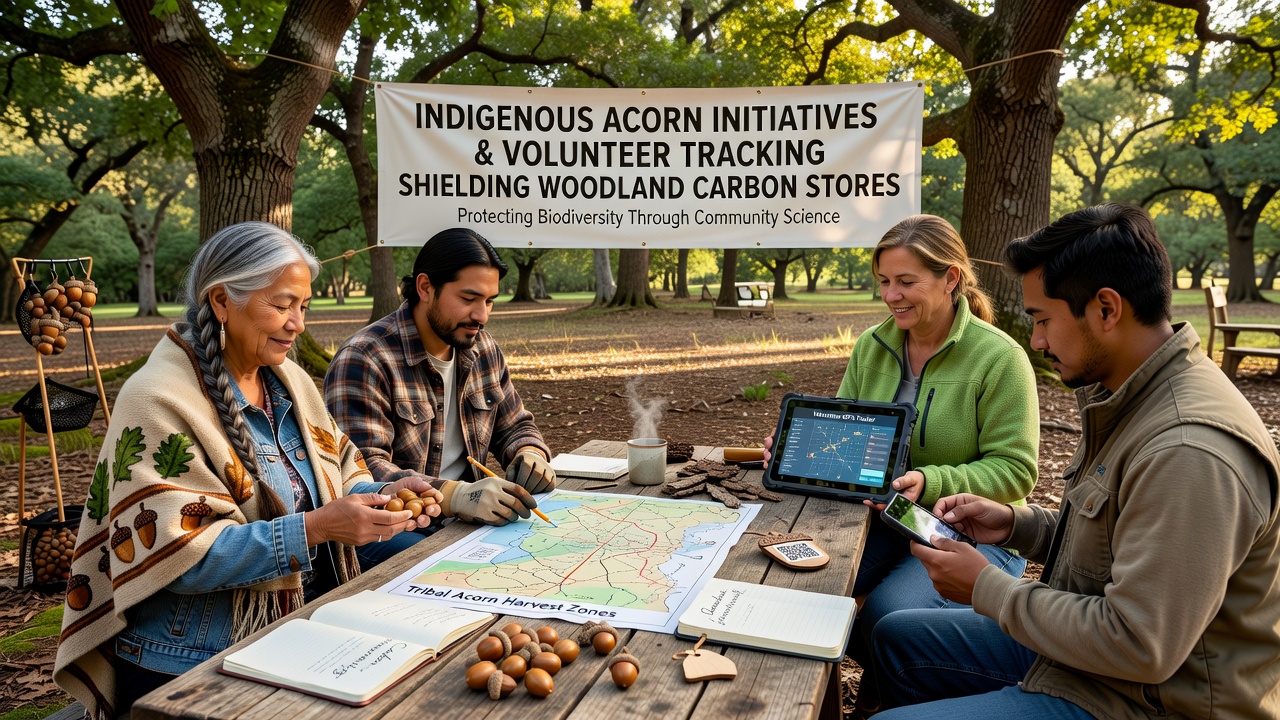
Indigenous groups have maintained acorn collection and propagation methods across generations, selecting seeds from resilient trees and managing groves through controlled burns and selective clearing that promote healthy regeneration cycles. Researchers have documented how these approaches maintain biodiversity levels that support stable carbon pools in both above-ground vegetation and root systems.
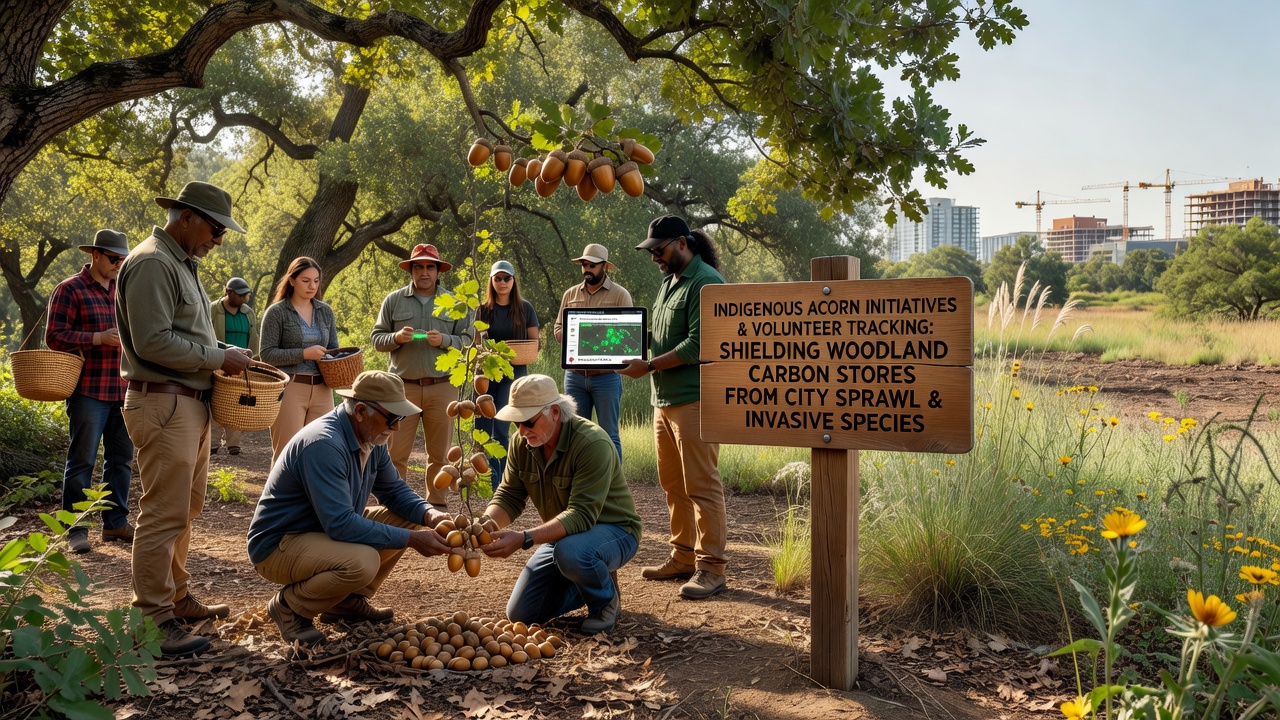
Volunteer networks now record planting locations, seedling survival rates, and environmental variables using standardized mobile applications, which allows coordinators to align traditional site selections with quantitative data on carbon flux measurements collected by research stations.
Tracking Mechanisms Address Urban and Biological Pressures
City expansion converts woodland edges into residential and commercial zones, and volunteer teams map encroachment patterns through repeated site visits that log changes in canopy cover and soil disturbance. These records feed into regional planning databases where land managers evaluate cumulative impacts on carbon storage potential.
Invasive species such as certain non-native grasses and shrubs outcompete native oak seedlings, and volunteer tracking protocols include photo documentation and GPS tagging of infestation zones so that removal efforts can target areas before they expand and further degrade carbon sequestration functions.
Carbon Storage Data and Monitoring Outcomes
Measurements compiled by forestry agencies indicate that intact oak woodlands can store between 50 and 150 metric tons of carbon per hectare depending on soil type and stand age, while fragmented or invaded sites show measurable declines in these figures. Volunteer-collected datasets have helped identify priority zones where acorn planting combined with invasive control yields the highest retention improvements.
Reports from the U.S. Forest Service detail how integrated monitoring supports adaptive management strategies that respond to both development pressure and biological invasions without relying on single-source information.
September 2026 Developments in Coordinated Programs
In September 2026, several regional coalitions plan to release updated tracking dashboards that merge indigenous knowledge repositories with real-time volunteer observations, creating unified platforms for assessing woodland health metrics including carbon density estimates. These tools will enable quicker responses to new sprawl permits and emerging invasive outbreaks.
Training sessions scheduled for that month will focus on consistent data entry standards so that acorn initiative participants and volunteer monitors produce compatible records for joint analysis by university research teams and government resource agencies.
Geographic Expansion and Cross-Regional Learning
Similar programs have emerged in other temperate woodland regions, where groups adapt acorn-based restoration to local oak species while incorporating volunteer apps originally developed for California sites. A study coordinated through Australian research institutions examined comparable carbon dynamics in eucalypt-oak hybrid systems and shared methodological frameworks that improve tracking accuracy across continents.
European partners through the European Environment Agency have contributed comparative data on woodland fragmentation effects, allowing North American initiatives to refine their models for predicting carbon loss under different sprawl scenarios.
Conclusion
Indigenous acorn initiatives paired with volunteer tracking systems generate layered datasets that support targeted protection of oak woodland carbon stores against the combined pressures of urban expansion and invasive species. Continued coordination between traditional practitioners, monitoring volunteers, and scientific organizations sustains the capacity of these ecosystems to function as long-term carbon reservoirs while adapting to shifting land use patterns.